


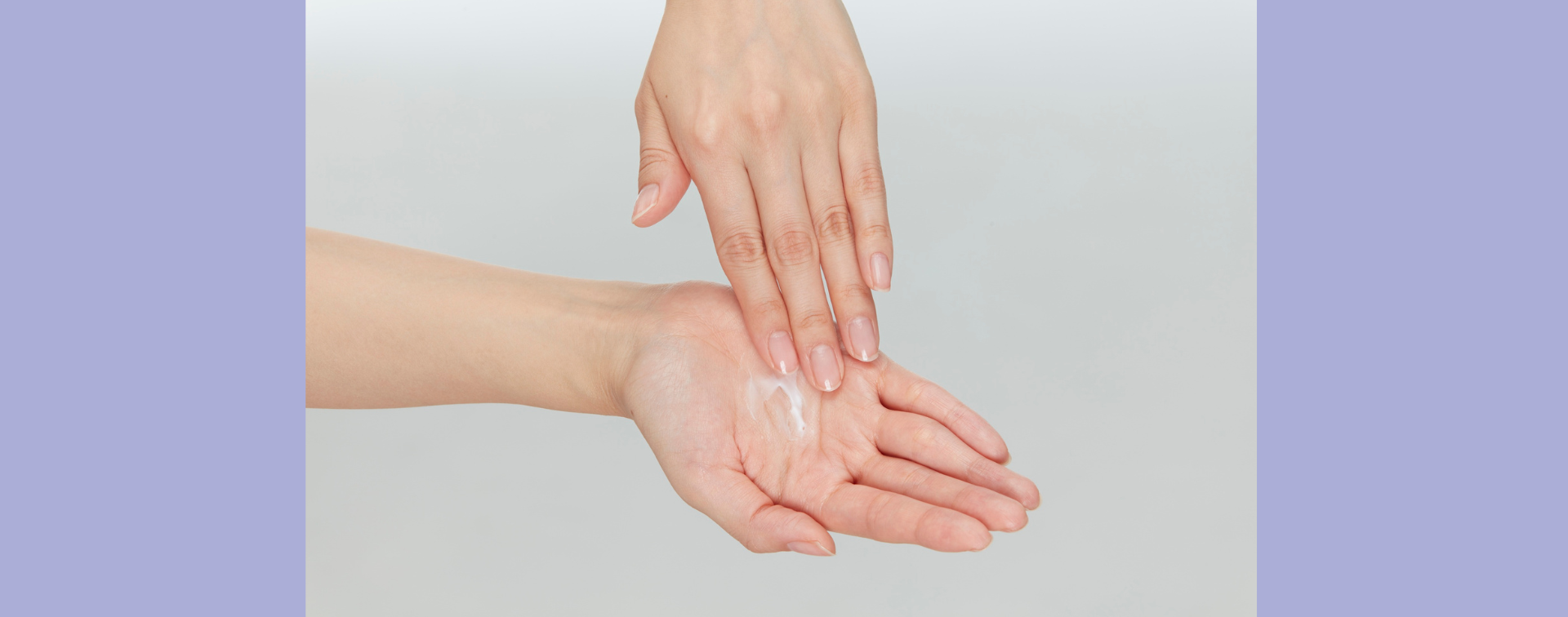
How to Use Product Samples in Esthetics to Boost Retail Sales & Retention
Product sampling is a well-known practice in the aesthetics industry. Offering sample sizes or travel formats during facials, consultations, or treatments is a common part of the client experience in most spas and skin care clinics.
However, in 2026, product sampling is no longer just about letting clients “try a product.” When used strategically, it becomes a powerful tool for client retention, skin care education, and retail sales growth.
Why Product Sampling Still Matters Today
In a saturated skin care market, clients are more informed—but also more hesitant.
Between TikTok trends, influencer recommendations, and complex at-home routines, it has become increasingly difficult for clients to know which products are truly right for their skin.
This is where the skin care professional plays a key role.
A sample helps to:
- Confirm a professional recommendation
- Reduce hesitation before purchasing
- Test skin tolerance
- Introduce new active ingredients gradually
- Strengthen trust in your expertise
When used correctly, sampling becomes a natural bridge toward retail product sales.
How to Use Samples Strategically
Sampling should never be random. It should always be part of a personalized skin care prescription.
1. Support Decision-Making
A client unsure about investing in a product?
A sample allows them to test it in their real routine before committing. This reduces fear of “making the wrong choice” and increases long-term satisfaction.
2. Introduce New Steps Into a Routine
Samples are especially effective for introducing new products or steps such as:
- Gentle exfoliants
- Professional masks
- Targeted serums
For example, a client who never uses masks at home is more likely to adopt them after seeing visible results from a sample.
3. Support Seasonal Skin Changes
Skin changes significantly with seasons and climate (cold, heat, humidity, UV exposure).
Sampling allows estheticians to adjust home care routines during seasonal facial appointments and ensure the skin remains balanced year-round.
4. Create a Premium Client Experience
A well-chosen sample enhances the perception of personalized care.
This is especially effective for:
- New product launches
- Loyal clients
- Spa experiences and high-end treatments
- Clients traveling or going on vacation
In this context, samples become an extension of customer service rather than a sales tactic.
Be Careful: Sampling Must Be Intentional
In 2026, high-performing clinics no longer give samples “by default.”
Overuse or unstrategic sampling can:
- Reduce perceived product value
- Attract non-committed clients
- Decrease retail profitability
It is important to recognize that not every client should receive samples regularly.
A client who repeatedly requests samples without engaging in a proper skin care plan may indicate a lack of commitment to a long-term routine.
In such cases, it is more effective to redirect the conversation toward a professional skin care consultation.
The Role of Client Records: A Modern Must-Have
In today’s aesthetics industry, client tracking and personalization are essential.
Recording all samples given helps you:
- Avoid repeating the same samples
- Track skin reactions and responses
- Refine future recommendations
- Improve continuity of care
- Strengthen retail conversions
It also reinforces your professionalism and enhances the overall client experience.
Sampling as a Client Retention Tool
When used strategically, sampling becomes much more than a marketing gesture.
It helps to:
- Build trust with clients
- Increase professional product sales
- Improve at-home routine compliance
- Support in-clinic treatment results
- Extend the client relationship beyond appointments
In an industry where retention is critical, every touchpoint matters.
Conclusion
Product sampling in aesthetics is no longer just a “bonus.”
In 2026, it is a strategic tool for communication, education, and conversion.
When used intentionally, it improves not only skin results but also the trust and loyalty between clients and skin care professionals.
Ultimately, a well-guided client is a loyal client—and well-supported skin always delivers better results.